Gênesis 6

BLIVRE · Chapter 6/50

1E aconteceu que, quando começaram os homens a multiplicar-se sobre a face da terra, e lhes nasceram filhas,

2Vendo os filhos de Deus que as filhas dos homens eram belas, tomaram para si mulheres, escolhendo entre todas.

3E disse o SENHOR: Não brigará meu espírito com o ser humano para sempre, porque certamente ele é carne: mas serão seus dias cento e vinte anos.

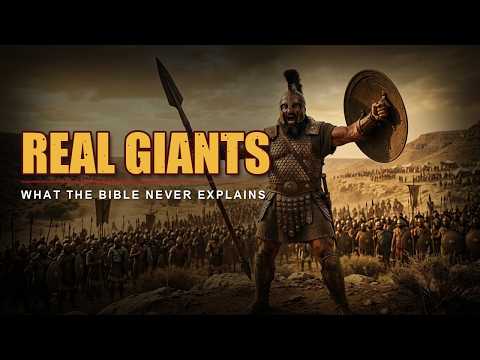
4Havia gigantes na terra naqueles dias, e também depois que entraram os filhos de Deus às filhas dos homens, e lhes geraram filhos: estes foram os valentes que desde a antiguidade foram homens de renome.

5E o SENHOR viu que a maldade dos seres humanos era muita na terra, e que todo desígnio dos pensamentos dos seus corações era só mau continuamente.

6E o SENHOR se arrependeu de haver feito o ser humano na terra, e pesou-lhe em seu coração.

7E disse o SENHOR: Apagarei os seres humanos que criei de sobre a face da terra, desde o ser humano até o animal, e até o réptil e as aves do céu; porque me arrependo de havê-los feito.

8Porém Noé achou favor aos olhos do SENHOR.

9Estas são as gerações de Noé: Noé, homem justo, foi íntegro em suas gerações; Noé andava com Deus.

10E gerou Noé três filhos: a Sem, a Cam, e a Jafé.

11Porém a terra se corrompeu diante de Deus, e a terra encheu-se de violência.

12E Deus olhou a terra, e eis que estava corrompida; porque toda carne havia corrompido seu caminho sobre a terra.

13E disse Deus a Noé: O fim de toda carne veio diante de mim; porque a terra está cheia de violência por causa deles; e eis que eu os destruirei com a terra.

14Faze-te uma arca de madeira de gôfer: farás aposentos na arca e a selarás com betume por dentro e por fora.

15E desta maneira a farás: de trezentos côvados o comprimento da arca, de cinquenta côvados sua largura, e de trinta côvados sua altura.

16Uma janela farás à arca, e a acabarás a um côvado de elevação pela parte de cima: e porás a porta da arca a seu lado; e lhe farás piso abaixo, segundo e terceiro.

17E eu, eis que eu trago um dilúvio de águas sobre a terra, para destruir toda carne em que haja espírito de vida debaixo do céu; tudo o que há na terra morrerá.

18Mas estabelecerei meu pacto contigo, e entrarás na arca tu, e teus filhos e tua mulher, e as mulheres de teus filhos contigo.

19E de tudo o que vive, de toda carne, dois de cada espécie porás na arca, para que tenham vida contigo; macho e fêmea serão.

20Das aves segundo sua espécie, e dos animais segundo sua espécie, de todo réptil da terra segundo sua espécie, dois de cada espécie entrarão contigo para que tenham vida.

21E toma contigo de toda comida que se come, e traga-a a ti; servirá de alimento para ti e para eles.

22E o fez assim Noé; fez conforme tudo o que Deus lhe mandou.
📖 Chapter study

Summary

Human wickedness multiplies on the earth, grieving God, who decides to destroy humanity with a flood, but chooses Noah, a righteous man, to build an ark and save his family and the animals.

Explanation

This chapter marks a dramatic turning point: violence and corruption have taken over the earth to the point that God 'repents' of having made humankind — an expression describing God's deep sorrow over evil, not an arbitrary change of plan. Amid this dark scene, Noah stands out as someone who 'walked with God,' echoing the phrase used for Enoch. The detailed instructions for building the ark (measurements, material, compartments) show that salvation required practical, patient obedience, not merely abstract faith. The ark becomes a symbol of refuge in the midst of judgment. Today's lesson is that even when the surrounding world seems corrupt, an upright life can be an instrument of salvation for many.

Fun facts

  • The ark's dimensions (300 x 50 x 30 cubits, about 135m x 22m x 13m) result in a length-to-width ratio very close to that used in modern cargo ships, which naval engineers note as surprisingly stable for flotation.
  • The expression 'sons of God' and 'giants' (nephilim) in verse 4 is one of the most debated texts among biblical scholars to this day, with no definitive consensus on their exact identity — but the chapter's central point, humanity's growing violence, is clear.

Verse-by-verse explanation

  1. Gênesis 6:1Humanity grows in number, and it’s against this backdrop of multiplying that the strange scene in the next verse — the ‘sons of God’ and the ‘daughters of men’ — takes place.
  2. Gênesis 6:2The identity of the ‘sons of God’ who marry the ‘daughters of men’ is one of the most debated questions in the Old Testament, and there’s no single answer. The most common readings are: heavenly beings, a kind of angels; the line of Seth, described as closer to God, mixing with the line of Cain; or perhaps powerful kings and nobles of the time. The text doesn’t explain, it just describes the fact.
  3. Gênesis 6:3The number ‘an hundred and twenty years’ also has more than one possible reading. It could be a new limit on the length of human life going forward — which doesn’t quite match the much longer ages recorded right after this — or it could be a countdown to the flood, giving people time to change their ways before the rain arrived.
  4. Gênesis 6:4The word translated here as ‘giants’ is nefilim in the original Hebrew, and no one knows for certain the exact origin of the term or who these figures were. The text only calls them mighty men ‘of old, men of renown,’ mentioned in passing with no further explanation. It’s one of the most obscure points in the whole book of Genesis.
  5. Gênesis 6:5After the episode in verses 1 through 4, the text widens the picture: it isn’t just one specific group behaving badly, it’s all of humanity, with evil thoughts all the time. It’s this state of affairs that leads to the decision to send the flood.
  6. Gênesis 6:6Describing God as ‘repenting’ and grieving is a human way of expressing a change of course in the face of widespread wickedness — the text uses human emotion to convey the seriousness of the decision that follows.
  7. Gênesis 6:7God decides to destroy not only human beings but also animals, creeping things, and birds — the corruption described in the previous verse is treated as something affecting all life on earth, not just people.
  8. Gênesis 6:8In the middle of the announcement of total destruction, one single person is spared: Noah. It’s this exception that opens up the rest of the story told in the chapters that follow.
  9. Gênesis 6:9The text describes Noah as ‘a just man and perfect’ and someone who ‘walked with God’ — the same expression used for Enoch in the previous chapter, marking Noah as part of a line set apart from the rest of corrupted humanity.
  10. Gênesis 6:10This confirms the three sons of Noah already named at the end of the previous chapter: Shem, Ham, and Japheth — the only ones, along with their wives, who will survive the flood inside the ark.
  11. Gênesis 6:11This repeats and reinforces the description of widespread evil: the earth is corrupt and full of violence, the two reasons the text gives to justify the judgment that is coming.
  12. Gênesis 6:12God Himself confirms what the narrator had already said: all of humanity had corrupted its way. Repeating the idea in different forms drives home just how badly the situation had gotten.
  13. Gênesis 6:13God announces directly to Noah His plan to destroy all life because of the violence spread across the earth — it’s the first time He speaks to Noah in this story, opening the instructions for the ark.
  14. Gênesis 6:14God gives Noah the first practical instruction: build an ark of ‘gopher wood,’ divided into rooms and covered with pitch inside and out so no water can get in.
  15. Gênesis 6:15A ‘cubit’ was an ancient unit of measure based on the length of the arm, from the elbow to the fingertip — about 18 inches. That means the ark was roughly 440 feet long, 75 feet wide, and 45 feet high: an enormous vessel by the standards of the time. It was measured the way people measured everything before the meter existed.
  16. Gênesis 6:16This adds more construction details: a window near the top, a door in the side, and ‘lower, second, and third stories’ — the ark was, in practice, a huge cargo ship with several levels.
  17. Gênesis 6:17God explains the reason for the whole construction: He is going to send a ‘flood’ that will destroy all life that breathes under heaven. It’s the first time the word ‘flood’ appears, explaining what the ark is for.
  18. Gênesis 6:18In the middle of announcing destruction, God promises a ‘covenant’ with Noah — he and his entire family, wives included, will enter the ark and survive. It’s the first time the word ‘covenant’ appears in the Bible.
  19. Gênesis 6:19God tells Noah to bring a pair of every kind of animal into the ark, male and female, ensuring that animal life continues after the flood.
  20. Gênesis 6:20The instruction breaks it down by category — birds, animals, and creeping things — but repeats the same rule: a pair of each kind, enough to restart life once the water goes down.
  21. Gênesis 6:21Besides the animals, Noah also needs to gather enough food to feed his family and all the creatures during the time they will spend inside the ark.
  22. Gênesis 6:22This closes the chapter with a simple line that sums up Noah’s response: he did exactly everything God commanded, without straying from the instruction.

Watch the story of this passage

Videos from our channel that tell what happens in Genesis 6.

Chapters

Our apps

Our apps →

Bible in Stories

The Bible told as a story, with audio and videos.

📱 Get the app

World in Stories

True stories of humanity that sound made up.

Feito! Pequenas Vitórias

A light daily routine for people who lose track of the day.