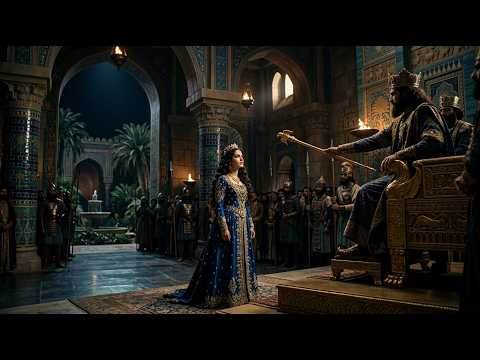
1Depois d'isto poz o rei Assuero tributo sobre a terra, e sobre as ilhas do mar,
2E todas as obras do seu poder e do seu valor, e a declaração da grandeza de Mardoqueo, a quem o rei engrandeceu, porventura não estão escriptas no livro das chronicas dos reis da Media e da Persia?
3Porque o judeo Mardoqueo foi o segundo depois do rei Assuero, e grande para com os judeos, e agradavel para com a multidão de seus irmãos, que procurava o bem do seu povo, e fallava pela prosperidade de toda a sua nação.
📖 Chapter study
Summary
The book closes with a brief summary of King Ahasuerus's power and greatness, and highlights how Mordecai became a highly influential figure, respected for seeking the good of his people.
Explanation
The book's ending is short, almost like a historical postscript, situating Esther's story within the broader official records of the Persian empire. The final line about Mordecai—that he 'sought the good of his people and spoke peace to all his descendants'—sums up the legacy the story wants to leave behind: someone who used influence and closeness to power not for personal gain, but for the collective well-being of his community. It stands in direct contrast to Haman, whose closeness to power was used for personal revenge and destruction. The application for today is to consider how we use whatever position of influence we hold: to serve ourselves, or to seek the good of others.
Fun facts
- The mention that Mordecai's deeds were recorded 'in the book of the chronicles of the kings of Media and Persia' suggests that the narrative of Esther itself was meant to be seen as part of the officially documented history of that empire, reinforcing its historical plausibility.
- Mordecai is described as someone who became 'next in rank to King Ahasuerus,' a position of the highest power that echoes other biblical figures who rose to prominence in foreign empires, such as Joseph in Egypt and Daniel in Babylon.