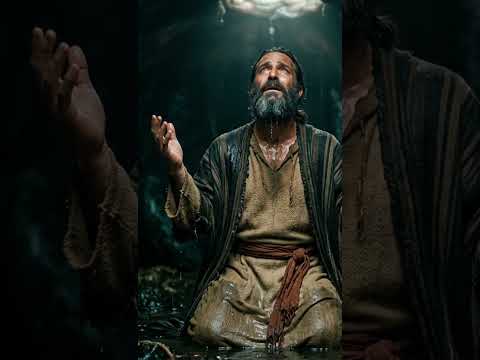
1Mas Jonas se desgostou muito, e se encheu de ira.
2E orou ao SENHOR, e disse: Ah, SENHOR, não foi isto o que eu dizia enquanto ainda estava em minha terra? Por isso me preveni fugindo a Társis; porque sabia eu que tu és Deus gracioso e misericordioso, que demoras a te irar, tens grande misericórdia, e te arrependes do mal.
3Agora pois, ó SENHOR, peço-te que me mates, porque é melhor para mim morrer do que viver.
4E o SENHOR lhe disse: É correta essa tua ira?
5E Jonas saiu da cidade, e se sentou ao oriente da cidade, e fez para si ali uma barraca, e se sentou debaixo dela à sombra, até ver o que seria da cidade.
6E o SENHOR Deus preparou uma planta, e a fez crescer sobre Jonas para que fizesse sombra sobre sua cabeça, e lhe aliviasse de seu mal-estar; e Jonas se alegrou grandemente por causa da planta.
7Mas Deus preparou uma lagarta no dia seguinte ao amanhecer, a qual feriu a planta, e ela se secou.
8E aconteceu que, ao levantar do sol, Deus preparou um quente vento oriental; e o sol feriu a Jonas na cabeça, de modo que ele se desmaiava, e desejava a morte, dizendo: Melhor é para mim morrer do que viver.
9Então Deus disse a Jonas: É correta a tua ira pela planta?E ele respondeu: É correto eu me irar até a morte.
10E o SENHOR disse: Tu tiveste pena da planta, na qual não trabalhaste, nem tu a fizeste crescer, que em uma noite nasceu, e em outra noite pereceu;
11E não teria eu pena de Nínive, aquela grande cidade onde há mais de cem e vinte mil pessoas que não sabem a diferença entre sua mão direita e a esquerda, e muitos animais?
📖 Chapter study
Summary
Jonah becomes angry that God spared Nineveh and wishes to die; God uses a plant that grows and then withers to teach him a lesson about compassion for people who do not yet know the truth.
Explanation
The end of the book reveals Jonah's true inner conflict: he knew from the start that God was 'gracious, and merciful... and repentest thee of the evil,' and that is precisely why he tried to flee — he did not want Nineveh to be forgiven. The living parable of the plant (likely a fast-growing castor-oil plant or gourd) that God causes to grow and then wither teaches by analogy: if Jonah clings to and grieves over the loss of a simple plant he did not even cultivate, how much more does God care about the more than 120,000 people of Nineveh, whom He created. The book ends with an open question, with no recorded answer from Jonah, inviting every reader to reflect on their own prejudices. The application for today: God's compassion extends beyond the borders we define as 'our people' or 'those who deserve it.'
Fun facts
- The phrase 'that cannot discern between their right hand and their left' (v. 11), referring to the Ninevites, is generally understood as a description of young children or of people who are morally or spiritually immature, reinforcing God's compassion for those who have not yet come to full knowledge of the truth.
- The book of Jonah is unusual among the prophets for being mostly narrative (a story about the prophet) rather than a collection of poetic oracles, and for ending with an open question from God, with no closed narrative resolution — a deliberate literary device meant to provoke reflection in the reader.