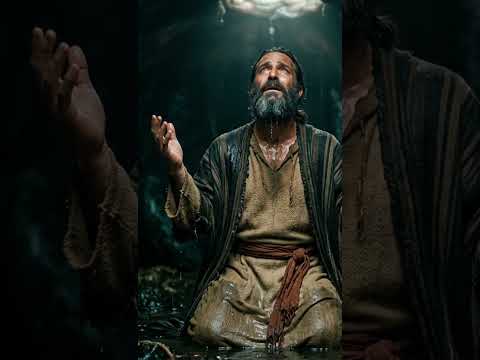
1E Jonas orou ao SENHOR seu Deus, desde as entranhas do peixe,
2E disse: Clamei da minha angústia ao SENHOR, e ele me respondeu; do ventre do Xeol gritei, [e] tu ouviste minha voz.
3Pois tu me lançaste no profundo, no meio dos mares, e a correnteza me cercou; todas as tuas ondas e tuas vagas passaram sobre mim.
4E eu disse: Lançado estou de diante de teus olhos; porém voltarei a ver o teu santo templo.
5As águas me cercaram até a alma, o abismo me rodeou; as algas se enrolaram à minha cabeça.
6Desci aos fundamentos dos montes; a terra trancou suas fechaduras a mim para sempre; porém tu tiraste minha vida da destruição, ó SENHOR meu Deus.
7Quando minha alma desfalecia em mim, eu me lembrei do SENHOR; e minha oração chegou a ti em teu santo templo.
8Os que dão atenção a coisas inúteis e ilusórias abandonam sua própria misericórdia.
9Mas eu porém sacrificarei a ti com voz de gratidão; pagarei o que prometi. A salvação [vem] do SENHOR.
10E o SENHOR falou ao peixe, e este vomitou a Jonas em terra firme.
📖 Chapter study
Summary
From inside the fish, Jonah prays to God, acknowledging that he was thrown into the sea because of his own disobedience, yet trusting that God would rescue him; in the end, the fish vomits him onto dry land.
Explanation
This poetic prayer, full of psalm-like language, shows Jonah's inner transformation: from utter despair ('I am cast out of thy sight') to renewed confidence ('I will look again toward thy holy temple'). The phrase 'salvation is of the LORD' sums up the whole experience: even in our worst moment of failure and disobedience, salvation remains God's work, not a human achievement. The very obedience of the fish, which 'vomits' Jonah out exactly when and where God determines, stands in ironic contrast to the prophet's disobedience. The lesson for today: sincere repentance, even from rock bottom, always finds God's answer.
Fun facts
- This prayer is structured like a classic Hebrew psalm of praise and thanksgiving, with verse-by-verse parallels to several Psalms (such as 18, 42, and 69), suggesting that Jonah drew on familiar liturgical forms to express his experience.
- Jesus makes direct reference to this episode in Matthew 12:40, comparing Jonah's three days and three nights in the fish to the three days He Himself would spend in the tomb before the resurrection — known as 'the sign of Jonah.'